Introduction
When it comes to home construction or renovation, masonry plays a pivotal role. Whether you're dreaming of a brick façade, a stone patio, or a sturdy retaining wall, the expertise of a masonry contractor can bring your vision to life. But how do you ensure that this transition from idea to reality goes smoothly? That’s what we’re here to explore!
In this comprehensive guide, we'll delve into the intricacies of working closely with your masonry contractor. From understanding their role to communicating effectively and managing your project, we've got you covered. So grab a cup of coffee, and let’s embark on this journey together!
Masonry Contractor: The Backbone of Your Project
What Exactly Does a Masonry Contractor Do?
A masonry contractor specializes in constructing structures using materials like brick, stone, concrete blocks, and more. They handle everything from small repairs to large-scale construction projects. This expertise is crucial for ensuring that your project not only looks great but is structurally sound as well.
Key Responsibilities of a Masonry Contractor
- Material Selection: Advising on the best materials for durability and aesthetics. Design Implementation: Bringing architectural plans to life through skilled craftsmanship. Project Management: Overseeing timelines and coordinating with other tradespeople. Quality Control: Ensuring that all work meets safety standards and building codes.
Why You Need a Skilled Masonry Contractor
Having an experienced masonry contractor by your side can make all the difference in achieving your desired outcome. With their industry knowledge and technical skills, they can help you avoid costly mistakes and delays.
Transitioning from Idea to Reality: Understanding Your Vision
Clarifying Your Ideas Before Meeting the Masonry Contractor
Before you even pick up the phone to call a masonry contractor, take some time to clarify your ideas. What do trusted Wilsonville masonry services you want? A cozy outdoor fireplace? A stylish walkway? Write down your thoughts and gather inspiration from magazines or websites like Pinterest.
Creating a Vision Board
A vision board can be an excellent tool for visualizing your project. Include images of materials you love, colors that inspire you, and examples of similar projects that resonate with your aesthetic.
Communicating Your Vision Effectively
Once you have a clear vision, it's time to communicate it effectively to your masonry contractor. Use descriptive language and provide visuals where possible. Remember, clear communication is key!
Tips for Effective Communication
- Be specific about dimensions and styles. Share examples that capture the look you're aiming for. Encourage questions—your contractor might have insights you haven’t considered!
Choosing the Right Masonry Contractor
How to Find Qualified Masonry Contractors Near You?
Finding the right masonry contractor can seem daunting at first. However, there are several avenues you can explore:
Word of Mouth: Ask friends or family for recommendations. Online Reviews: Check platforms like Yelp or Angie’s List. Local Listings: Explore local business directories or construction associations.What Qualifications Should You Look For?
When evaluating potential contractors, consider their qualifications carefully:
- Valid Licenses: Ensure they have the necessary licenses for your area. Insurance Coverage: Verify their liability insurance and worker's compensation. Experience: How long have they been in business? Do they specialize in projects like yours?
Table: Key Qualifications Checklist
| Qualification | Why It Matters | |-----------------------|-----------------------------------------| | Valid Licenses | Legitimacy & Compliance | | Insurance Coverage | Protection against accidents | | Industry Experience | Knowledge & Skill Level |
Transitioning from Idea to Reality: Initial Consultation with Your Masonry Contractor
Setting Up Your First Meeting
Your first meeting with a masonry contractor is crucial for laying the groundwork for your project. Have all relevant documents handy—plans, permits (if applicable), and any inspirational images you've gathered.
Questions You Should Ask During Your Consultation
During this initial consultation, don't hesitate to ask questions! Here are some starters:
What is your approach to my specific project? Can you provide references from past clients? What timeline are we looking at? What will be included in the estimate?
Understanding Estimates: What Should You Expect?
After discussing your project details, expect an estimate outlining costs related to labor and materials. Some contractors may provide itemized estimates while others give ballpark figures.
Transitioning from Idea to Reality: Design Considerations with Your Masonry Contractor
Selecting Materials Together
Choosing materials is one of the most exciting aspects of working with a mason contractor! Whether it's natural stone or manufactured brick, each option has its pros and cons.
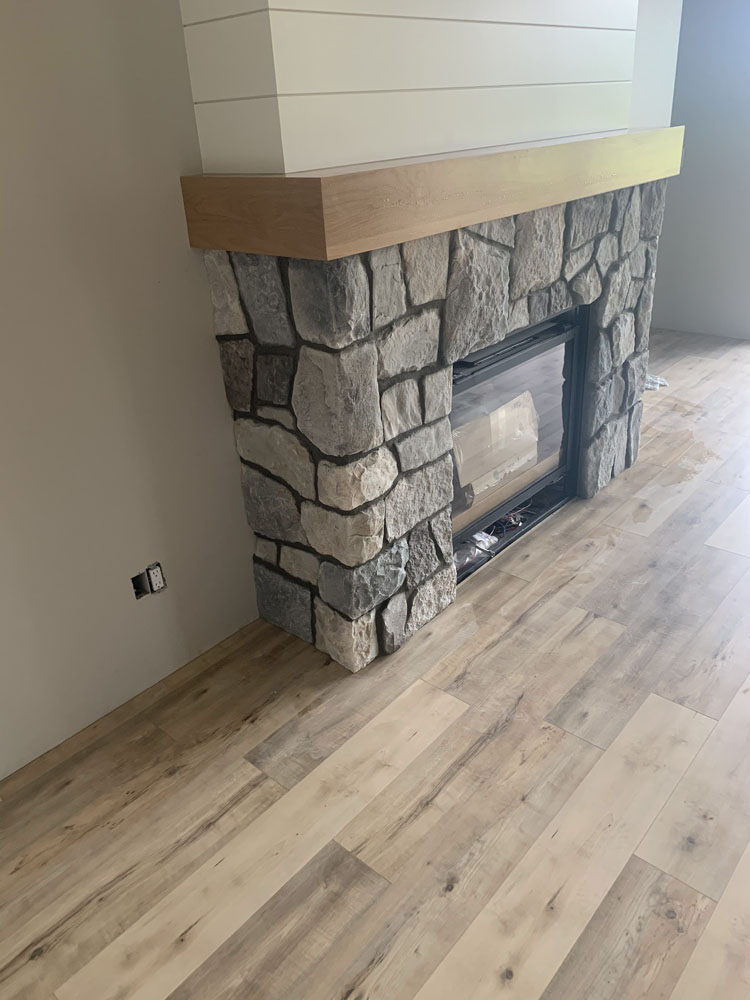
Pros & Cons Table
| Material | Pros | Cons | |----------------------|--------------------------------------------|------------------------------------| | Brick | Durable & Classic | Limited color options | | Natural Stone | Unique Appearance & Strong | Higher cost | | Concrete Block | Versatile & Cost-effective | Less visually appealing |
Adapting Designs Based on Site Conditions
Your site conditions play a vital role in determining what design will work best.
Common Site Conditions:
- Soil Type Drainage Issues Local Weather Patterns
By discussing these factors with your masonry contractor early on, you'll set yourself up for success!
Transitioning from Idea to Reality: Project Planning
Creating a Timeline Together
Once you’ve settled on designs and materials with your masonry contractor, it’s time for planning! Work together to create an actionable timeline that outlines major milestones throughout the project duration.
Incorporating Flexibility into Your Schedule
Keep in mind that unexpected challenges may arise during construction—be it weather delays or material shortages—so having flexible timelines helps everyone stay stress-free.
Managing Expectations Throughout Construction
Staying Involved Without Micromanaging
As construction begins, it’s important to strike a balance between being involved while allowing your mason contractor room to work efficiently.
Tips for Maintaining Communication
- Schedule regular check-ins without overstepping boundaries. Use various communication methods—text updates are often quicker than emails!
Addressing Concerns Promptly
If concerns arise during construction (and they often do!), address them promptly rather than letting them fester into larger issues down the line.
Navigating Challenges with Your Masonry Contractor
Common Challenges During Construction Projects
Even well-planned projects encounter hurdles along the way; here are some common ones:
Weather Disruptions Supply Chain Delays Unforeseen Site ConditionsHow To Work Through These Challenges Together
The key lies in collaboration! Maintain open lines of communication with your masonry contractor when challenges arise; they’ll appreciate being kept in the loop—and you’ll benefit from their expertise on navigating solutions effectively!
Final Touches: Completing Your Project
Inspecting Completed Work Together
Once construction wraps up, conduct an inspection alongside your mason contractor before signing off on completion.
Checklist For Final Inspection:
- Quality of Craftsmanship Adherence To Original Plans Clean-Up Efforts Post-construction
FAQs About Working With A Masonry Contractor
Q1: How do I know if my masonry contractor is qualified?
A1: Look for licenses, insurance coverage, experience in similar projects, and positive reviews from previous clients.
Q2: What should I prepare before meeting my masonry contractor?
A2: Gather any architectural plans, photos for inspiration (like those found online), as well as any specific ideas regarding materials or styles you'd like incorporated into your project.
Q3: How long does typical masonry work take?
A3: The duration depends on factors such as project complexity; however smaller projects could take days while larger ones may require weeks or months.
Q4: Are estimates binding if I sign them?
A4: Estimates provide initial cost projections but changes during construction may affect final totals; always discuss scope adjustments beforehand!
Q5: Can I modify designs once work starts?
A5: While changes are possible mid-project they're generally discouraged due limitations imposed by logistics/costs—discuss any necessary adjustments early on!
Q6: What happens if there’s damage post-completion?
A6: Most reputable contractors offer warranties covering issues arising within specified timeframes after installation; consult agreements signed beforehand regarding coverage limits/conditions!
Conclusion
Transitioning from idea to reality when working closely with your masonry contractor doesn’t just happen overnight—it requires careful planning, open communication channels,and teamwork! By following this guide—from initial consultations through final inspections—you'll set yourself up for success every step along this journey toward achieving solid yet stunning structures made out of enduring materials! Happy building!